
Burial services at
The first steps of pre-planning can be the most difficult. At we will assist you through the process of your pre-planning options, service choices, financing and aftercare of your arrangements.
Burial Services We Offer
At we offer affordable burial options for the families of Los Angeles & Orange County in California. Whether you need direct burial, burial with a private goodbye, or a traditional service, we are here to assist.
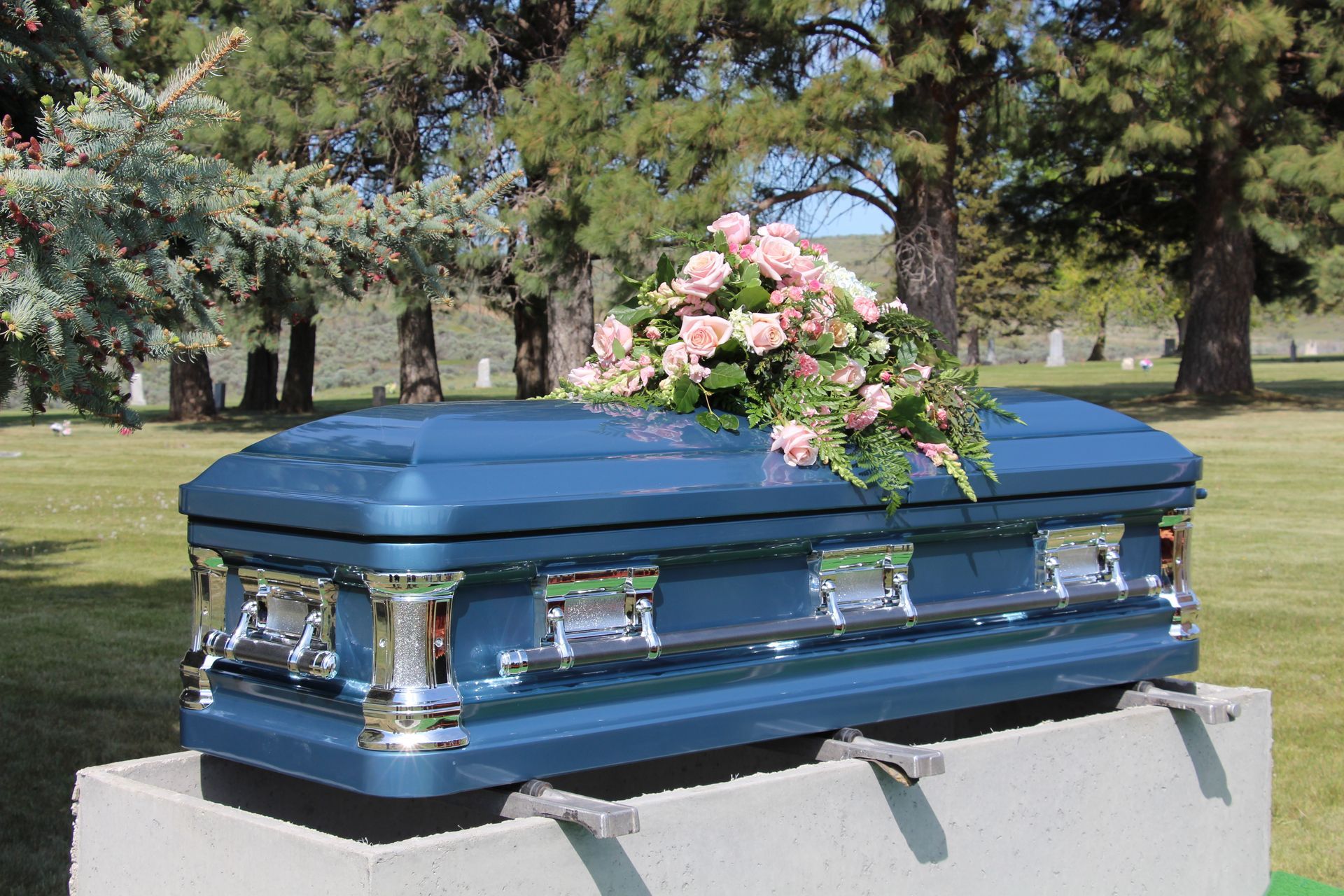
Simple/Immediate/Direct Burial starting at $1,000
Total & Complete Charge Excluding Casket
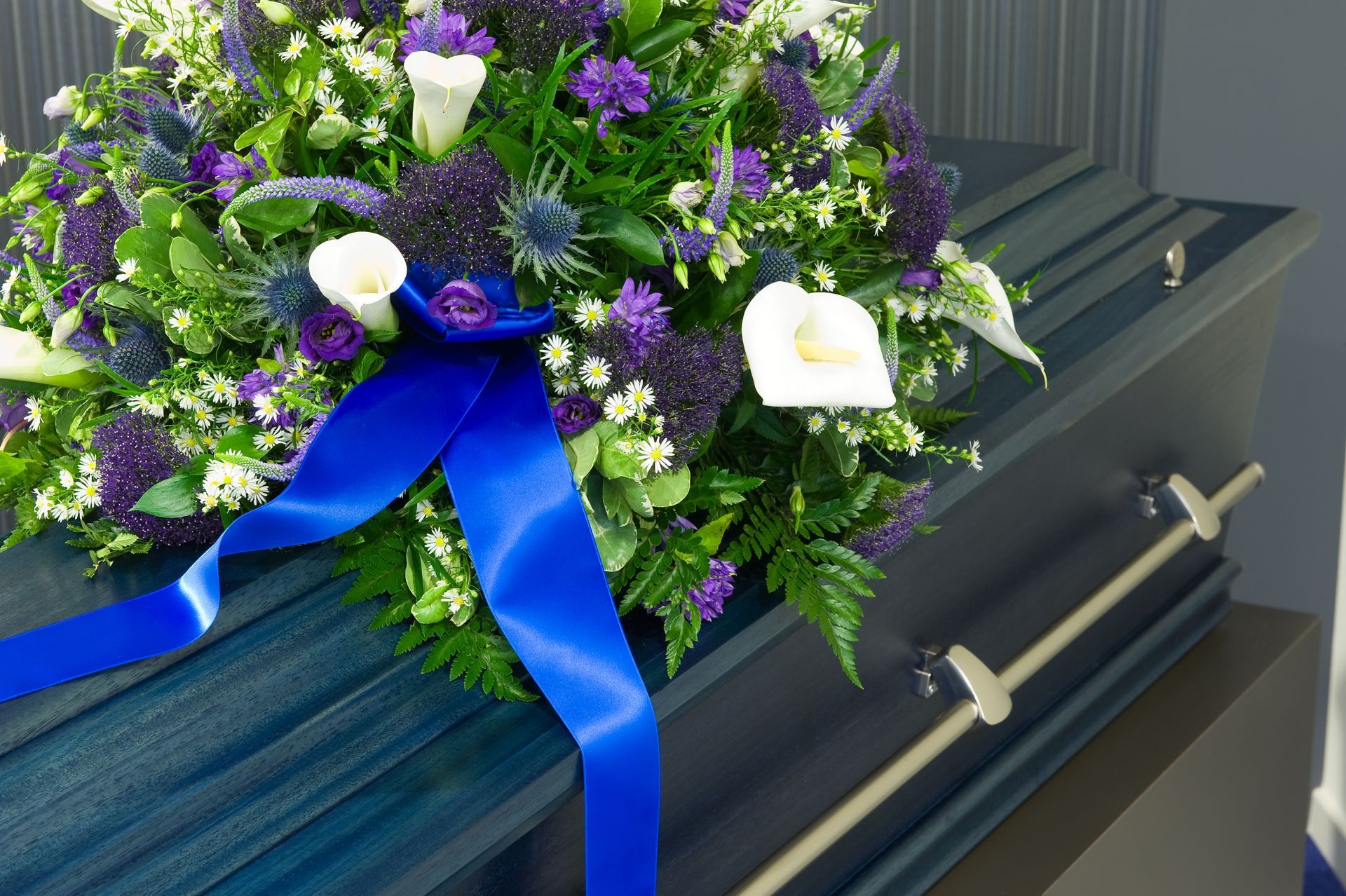
Traditional Funeral Service with Burial starting at $2,700
Total & Complete Charge Excluding Casket
Arrange Burial
To begin burial arrangements follow the 6 easy steps below:
1. Download the required forms
2. Answer the series of questions about the Decedent.
There may be information you do not know.
Use the word “Unknown” in those particular fields.
3. Print the completed required forms.
(The form will not save to your computer)
4. Review the forms to ensure the information is correct.
You may write on these forms with any corrections.
5. Sign, Initial, and Date forms where indicated.
6. FAX the completed paperwork, along with required documents to:
(855) 223-0333 or scan and email all forms and documents to
Info@BestChoiceCremation.com
Once we receive the completed forms, we will proceed with the arrangements. Depending on the doctor or coroner signing the death certificate, and the crematory schedule, we will contact you once the cremated remains are ready.
What's online cremation?
Online cremation is a service that we offer at . This process starts with either immediate need options or pre-planning.
If you are in immediate need we have a form below that can be filled so that we may start gathering information. This information will be used to fill out the necessary paperwork for the cremation process and for death certificates. Once your information is received a staff member will reach out to your family and begin guiding you. Retrieval and the cremation process will follow. Depending on which package your family chooses will determine the next steps. Our Direct Cremation option will provide the family with the ashes by either their direct pick up, a delivery service or though postage.
Get in touch
Contact Us Form
We will get back to you as soon as possible.
Please try again later.
Frequently asked questions
Click on the questions below to reveal each respective answer.
-
Why Choose Cremation?
We choose cremation for a variety of religious, philosophic, economic, and environmental reasons. Many people simply feel that cremation options afford them a more comfortable pathway toward a closure harmonious with their lifestyle.
-
What Is Cremation?
Cremation is the process of reducing human remains to its basic elements in the form of bone fragments through flame, heat and vaporization (usually 1800 – 2000 degrees Fahrenheit for two hours or more). Cremation occurs at a crematory in a special kind of furnace called a cremation chamber or retort. The resulting bone fragments are further reduced in size through a mechanical process and are referred to as “cremated remains”. (It may surprise many to learn that ashes are not the final result since cremated remains have neither the appearance nor the chemical properties of ashes.) After processing, the cremated remains are placed in an urn or other container suitable for memorialization, transport or interment. Depending upon the size of the deceased’s skeletal makeup, there are normally four to eight pounds of cremated remains resulting.
-
Is A Casket Required For Cremation To Take Place?
A casket is not required for a cremation to take place. In most states, all that is required is an alternative container which can be constructed of wood or fiberboard/cardboard, and is cremated along with the deceased.
-
Is Embalming Required For Cremation?
Absolutely not. Public health law states that any human remains held 24 hours beyond death, and not yet cremated or interred at a cemetery, shall be either embalmed, or kept under refrigeration. Most reputable funeral establishments and crematories have on-site refrigeration.
-
Can A Cremation Be Witnessed By The Family?
Yes, in most situations, the cremation provider will permit family members to be in attendance when the body is placed into the cremation chamber. Actually, a few religious groups include this as an integral part of their funeral practice.
-
Are There Any Religions That Do Not Approve Of Cremation?
Most major religions readily accept cremation, with the exception of Islam and Orthodox Judaism. Today, all of the Christian denominations allow cremation and are pleased for their members who choose it. (The Catholic Church approves cremation, but advocates the interment of the cremated remains in a cemetery.) Buddhists favor cremation, and for Hindus, cremation is the orthodox method of disposition.
-
What Usually Happens After The Cremation Is Finished?
All organic bone fragments and all non-consumed metal items are collected into a stainless steel cooling pan located in the lower front of the cremation chamber. All non-consumed items, such as metal from clothing, joint replacements, and dental bridgework, are divided from the cremated remains. This separation is accomplished through visual inspection as well as using a strong magnet for smaller and minute metallic objects. Items such as dental gold and silver are non-recoverable and may be commingled with the cremated remains. Remaining bone fragments are then processed in a machine to a consistent size, sealed in a plastic bag, and then placed into a cremated remains container/urn selected by the family.
-
What Do Cremated Remains Look Like?
Processed cremated remains are a mixture of powdery and granular substances, and are varying shades of gray to white in color. The remains of an average sized adult usually weigh between four to eight pounds.
-
Are All Cremated Remains Returned To The Family?
With the exclusion of minuscule and microscopic particles, which are impossible to remove from the cremation chamber and processing machine, all of the cremated remains are returned to the family.
-
Are Urns Required To Collect The Cremated Remains?
There is no law requiring an urn. Nevertheless, the cremated remains must be held in some type of durable container. A more traditional urn may be desired if the cremated remains are to be memorialized at home, at a public memorial service, or the remains are to be interred at a cemetery. A family member may also supply a durable container or containers suitable for holding the cremated remains.
-
What Options Are Available With The Cremated Remains?
In California, after the cremation, the cremated remains may be returned to a designated family member or friend to be kept at home, scattered at sea (over 500 yards off the coast), scattered on private property with written permission, or released to a cemetery for burial or above-ground entombment. We also offer a non-witnessed scattering service three miles off the coast of Southern California. Cremated remains are often divided to satisfy various memorialization requests. There are smaller urns and even jewelry which hold “keepsake” portions of cremated remains. Cremation offers infinite possibilities to memorialize a loved one.
-
How Can You Be Certain That All Remains Are Kept Separate, And You Receive The Correct Cremated Remains?
All responsible cremation providers have thorough operating policies and procedures in order to provide the highest level of service and reduce the possibility of human error. If you have questions, ask the cremation provider what procedures they use relating to the cremation, including retrieval, processing, and packaging of the cremated remains. It is not only your right, but also your responsibility to gain a feeling of confidence in your cremation provider’s facility, employees, policies, and procedures. Choosing your cremation provider is one of the most critical decisions you need to make.